English
  français
  Deutsch
  русский
  español
  português
  العربية
  Melayu
  ไทย
ไทย  Indonesia
  हिंदी
हिंदी 


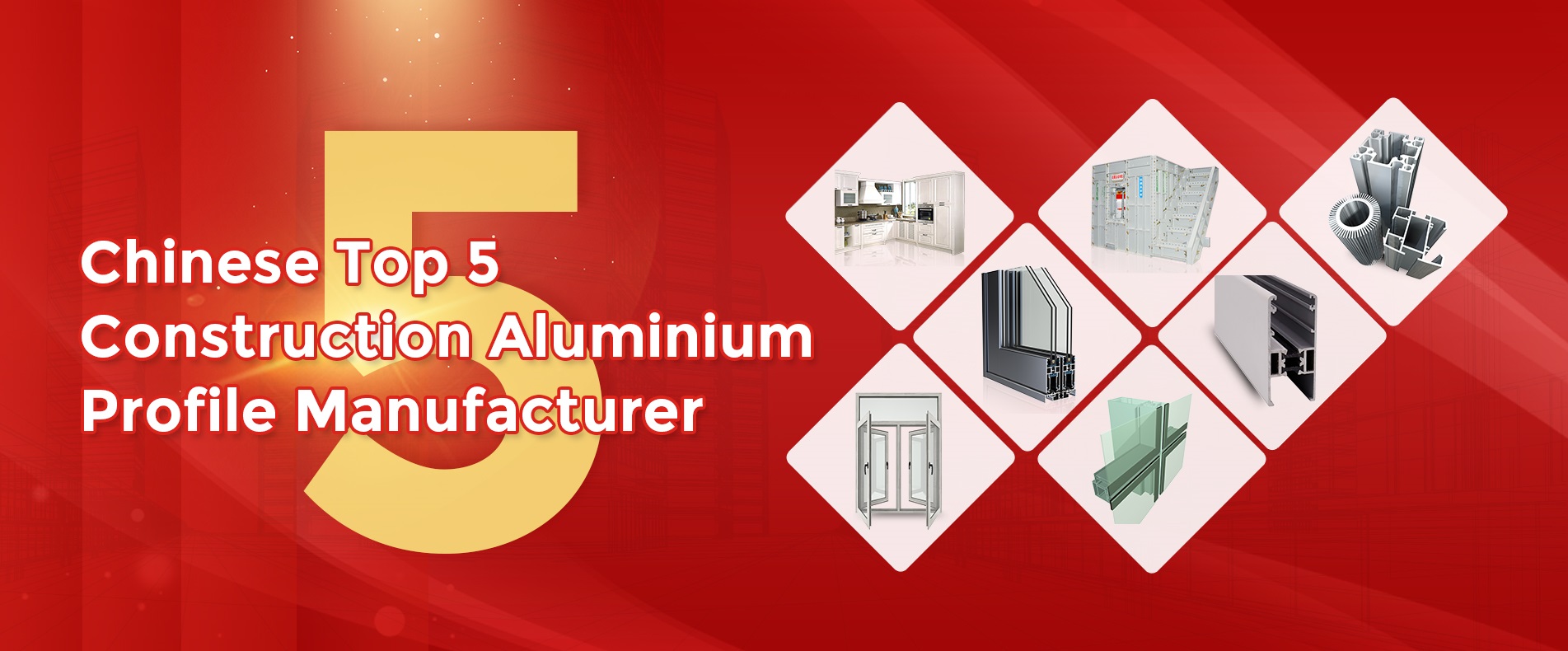
Если вы хотите сделать правильный выбор для своего следующего проекта, алюминиевые профили выделяются своей легкостью, прочностью, долговечностью и универсальностью. Алюминий обеспечивает большую гибкость в проектировании и прост в обработке. Вы можете настраивать формы и отделку в соответствии со своими потребностями. В отличие от стали, которая тяжела и требует большего ухода, или дерева, которое менее прочно и часто требует ремонта, алюминий предлагает практичное решение. Выбор правильного материала означает соответствие его характеристик требованиям вашего проекта.
Алюминиевые профили легкие и прочные, что делает их удобными в обращении и монтаже для различных строительных проектов.
Они обладают превосходной коррозионной стойкостью и долговечностью, особенно при таких видах обработки поверхности, как анодирование и нанесение покрытий.
Алюминиевые профили обеспечивают гибкость проектирования, позволяя изменять форму и отделку в соответствии с потребностями проекта.
Выбор алюминия позволяет сэкономить на долгосрочных затратах на техническое обслуживание благодаря низким требованиям к уходу по сравнению с деревом и сталью.
Алюминий хорошо поддается переработке, что делает его экологически чистым выбором, способствующим внедрению устойчивых методов строительства.

Алюминиевые профили – это материал, обладающий множеством преимуществ. Алюминиевая экструзия позволяет создавать легкие компоненты, удобные в обращении и монтаже. При этом достигается впечатляющая прочность без громоздкости стали. Это делает алюминиевые профили идеальными как для архитектурных, так и для промышленных целей. Алюминиевые профили можно использовать для оконных рам, дверей, навесных фасадов и даже внутренней отделки.
Компания Guang Ya Aluminium Industries Co., Ltd. зарекомендовала себя как надежный поставщик высококачественных алюминиевых профилей, изготавливаемых по индивидуальным заказам. Ассортимент продукции включает в себя все, от... Промышленные алюминиевые профили к архитектурным алюминиевым профилям. Благодаря расширенным возможностям индивидуальной настройки вы можете проектировать профили, точно соответствующие вашим потребностям.
Вот краткое сравнение алюминия с другими фасадными материалами:
|
Свойство |
Алюминий |
Нержавеющая сталь |
|---|---|---|
|
Предел прочности на растяжение (МПа) |
100 - 400 |
515 - 1300 |
|
Коррозионная стойкость |
Хороший, но менее эффективен в агрессивной среде. |
Выносливость выше в агрессивной среде. |
|
Теплопроводность (Вт/мК) |
Выше, чем нержавеющая сталь |
Ниже, чем алюминий |
Благодаря самозащитному оксидному слою алюминиевый профиль обладает хорошей коррозионной стойкостью. В большинстве условий окружающей среды вам не нужно беспокоиться о ржавчине. Алюминиевый профиль также обладает высокой теплопроводностью, что способствует повышению энергоэффективности фасадных материалов.
Обработка поверхности обеспечивает еще большую долговечность и стильный вид. Ознакомьтесь с вариантами:
|
Тип лечения |
Преимущества |
Уровень долговечности |
|---|---|---|
|
Анодирование |
Коррозионная стойкость, износостойкость, эстетическая универсальность |
Высокий |
|
Покрытие |
Эстетическая гибкость, экономичность |
Умеренный |
|
Перенос древесных волокон |
Естественный вид, требует дополнительной защиты. |
Низкий |
Алюминиевый профиль позволяет выбрать отделку, соответствующую вашему дизайнерскому замыслу. Анодирование повышает коррозионную стойкость и долговечность, а порошковая покраска обеспечивает гибкость в выборе цвета. Вы даже можете выбрать имитацию текстуры дерева для создания естественного вида.
Совет: Алюминиевые профили, изготовленные методом экструзии, хорошо поддаются переработке. Выбирая алюминиевые профили для облицовочных материалов, вы помогаете окружающей среде.
У экструзии алюминия есть некоторые ограничения. Вы можете заметить, что алюминиевые профили не обладают такой же прочностью на растяжение, как сталь. В агрессивных средах коррозионная стойкость может снижаться, особенно если не проводить обработку поверхности. Нержавеющая сталь часто лучше проявляет себя в сильнокислотных или щелочных средах.
Алюминиевый профиль легче деформируется, чем стальной. Если вам нужна максимальная прочность для тяжелых промышленных условий, возможно, стоит сравнить варианты. Отделка алюминиевых профилей под дерево выглядит великолепно, но требует дополнительного ухода для сохранения долговечности.
Алюминиевые профили следует рассматривать, если вы хотите добиться баланса между прочностью, долговечностью и легкостью конструкции. Алюминиевые экструзионные профили хорошо подходят для фасадных материалов в домах, офисах и общественных зданиях. алюминиевые навесные фасадные системы В высотных зданиях они легкие и прочные. Промышленные алюминиевые профили предлагают надежные решения для каркасов машин и оборудования.
Вот несколько типичных областей применения алюминиевых профилей, полученных методом экструзии:
|
Приложение |
Основные преимущества |
Типичные примеры |
|---|---|---|
|
Оконные и дверные рамы |
Прочный, неприхотливый в уходе, стильный. |
Жилые и офисные здания |
|
Навесные стены |
Лёгкий, прочный, хорошо выглядит. |
Высотные офисные здания, общественные здания |
|
Кровельные и облицовочные работы |
Нержавеющий, легкий |
Заводы, новые дома |
|
Строительные леса |
Прочный, но не тяжелый |
Строительные площадки |
|
Внутренняя отделка |
Легко проектируется, долговечен. |
Стены офиса, отделка |
Алюминиевые профили обеспечивают полную свободу творчества. Возможность индивидуальной настройки позволяет создавать профили, подходящие для уникальных фасадных материалов или промышленных нужд. Алюминиевые профили легко резать и придавать им нужную форму, поэтому их можно адаптировать для сложных архитектурных проектов. Если вам нужен материал, который прослужит дольше дерева и будет устойчив к коррозии, алюминиевые профили — разумный выбор.
Примечание: Если вам необходимы быстрые сроки выполнения заказа и надежное качество, компания Guang Ya Aluminium Industries Co., Ltd. может изготовить алюминиевые профили на заказ для вашего проекта.
Вам нужен строительный материал, который упростит работу и монтаж вашего проекта. Алюминий дает вам это преимущество. Его малый вес означает, что вы можете перемещать, поднимать и устанавливать профили с меньшими усилиями. Вы экономите время и снижаете затраты на рабочую силу. Если сравнить алюминий со сталью или деревом, разница очевидна. Алюминий весит намного меньше, поэтому вы можете проектировать более легкие конструкции без ущерба для прочности.
Соотношение прочности и веса — одна из главных причин популярности алюминия в строительстве.
Алюминиевые сплавы обладают впечатляющей прочностью при меньшей массе, чем сталь.
В результате вы получаете более легкие, но прочные конструкции, а значит, тратите меньше на фундамент и материалы.
Установка проходит быстрее, потому что не нужно иметь дело с тяжелыми компонентами.
Если вы работаете над проектами, где важен вес — например, высотные здания, мосты или модульные дома — алюминиевые профили помогут вам соответствовать строгим требованиям. Алюминий также можно использовать в транспортной и аэрокосмической отраслях, где каждый килограмм имеет значение.
Совет: Использование более легких материалов упрощает транспортировку и погрузку. Это позволяет сократить транспортные расходы и ускорить сроки выполнения проекта.
Алюминий не только снижает вес, но и обеспечивает надежную работу. Высокое соотношение прочности к весу означает, что алюминий может выдерживать большие нагрузки без увеличения габаритов. Например, сплав 6061-T6 имеет предел прочности на растяжение около 35 000 PSI. Этого достаточно для многих сложных применений.
Вы можете выбрать различные алюминиевые сплавы в соответствии с потребностями вашего проекта. Некоторые сплавы, например 7075, обеспечивают непревзойденную прочность для высокопроизводительных применений. Другие, например 6063, позволяют получить превосходную отделку для архитектурных проектов. Вы можете выбрать подходящий сплав в зависимости от несущей способности, эстетических качеств или требований к изготовлению.
Алюминиевые профили также устойчивы к коррозии, особенно при правильной обработке поверхности. Их можно использовать в морской среде, системах возобновляемой энергии и экологически чистых зданиях. Возможность вторичной переработки делает алюминий также экологически устойчивым выбором.
Несущая способность имеет решающее значение в строительстве и автомобилестроении.
Некоторые сплавы легче поддаются механической обработке или сварке, что облегчает изготовление изделий.
Алюминий хорошо поддается переработке, поэтому вы поддерживаете экологически чистые методы производства.
Возможно, вы задаетесь вопросом, в чем алюминий превосходит такие альтернативы, как сталь, дерево или пластик. Ответ зависит от целей вашего проекта. Алюминий проявляет себя наилучшим образом в отраслях и сценариях, где вес, прочность и производительность имеют первостепенное значение.
|
Отрасль/Сценарий |
Применение/Сценарий использования |
Причина использования алюминия |
|---|---|---|
|
Возобновляемая энергия |
Рамки для солнечных панелей |
Легкий, коррозионностойкий, не добавляет лишнего веса фотоэлектрическим системам. |
|
|
Системы крепления (стеллажи и направляющие) |
Надежные, адаптируемые платформы, которые можно настраивать под различные системы. |
|
|
Радиаторы и теплоотводы |
Высокая теплопроводность помогает регулировать температуру для оптимальной работы солнечных панелей. |
|
|
Корпуса и распределительные коробки |
Защищает компоненты от воздействия окружающей среды и обеспечивает эффективное рассеивание тепла. |
|
Ветроэнергетика |
Морские ветротурбины |
Обладает превосходной коррозионной стойкостью в морской среде, а также малым весом по сравнению с другими металлами. |
|
Гидроэнергетика |
Различные компоненты (конструкции водоводов, затворы, клапаны и т. д.) |
Снижает затраты и предотвращает коррозию, подходит для использования в условиях воздействия воды. |
|
«Зеленые здания» |
Экологически чистые строительные материалы |
Легкий, прочный, податливый и пригодный для вторичной переработки, соответствующий принципам устойчивого дизайна. |
Вы видите, как алюминий превосходит сталь, дерево и пластик в возобновляемой энергетике, ветроэнергетике и гидроэнергетике. Алюминиевая проводка весит примерно на 70% меньше медной, что упрощает монтаж и снижает затраты. В экологически чистых зданиях легкость и возможность вторичной переработки алюминия способствуют устойчивому проектированию.
Если вам нужен материал, сочетающий в себе прочность, эксплуатационные характеристики и снижение веса, алюминиевые профили Это разумный выбор. Вы получаете преимущество в соотношении производительности и веса в любом применении, от каркасов солнечных панелей до морских ветротурбин. Алюминий помогает создавать более легкие, прочные и эффективные конструкции.
Примечание: Выбирая алюминиевые профили, вы получаете гибкость, долговечность и явное преимущество в соотношении производительности и веса по сравнению с более тяжелыми материалами.
Возможно, вы задаетесь вопросом, почему сталь до сих пор выбирают для стольких крупных проектов. Сталь выделяется своей впечатляющей прочностью и долговечностью. Если вам нужен материал, способный выдерживать большие нагрузки и высокие напряжения, сталь — лучший выбор. Она обладает более высоким пределом текучести и пределом прочности на растяжение по сравнению с алюминием, что означает, что она может выдерживать больший вес без изгиба или поломки. Взгляните на это краткое сравнение:
|
Материал |
Предел текучести (МПа) |
Предел прочности на растяжение (МПа) |
|---|---|---|
|
Сталь |
~250 |
400-500 |
|
Алюминий (6061) |
~40 |
~90 |
Кроме того, для достижения той же прочности, что и у алюминия, сталь требует меньшей толщины материала. Именно поэтому сталь используется в каркасах небоскребов, мостов и других конструкциях, где безопасность и устойчивость имеют первостепенное значение. Она обеспечивает большую прочность на сдвиг, что помогает предотвратить образование трещин и деформацию с течением времени.
Сталь предпочтительнее для несущих конструкций и каркасов повышенной прочности.
Он более долговечен, что делает его надежным выбором для длительного использования.
Сталь не идеальна для любой работы. Вы заметите, что сталь весит намного больше алюминия, что может усложнить её транспортировку и монтаж. Она также более подвержена коррозии, особенно в суровых условиях, поэтому часто требуется дополнительное покрытие или регулярное техническое обслуживание. Со временем эти затраты на обслуживание накапливаются.
Вот краткий обзор различий в стоимости:
|
Материал |
Стоимость за фунт |
Производственный процесс |
Стоимость жизненного цикла |
Затраты на техническое обслуживание |
|---|---|---|---|---|
|
Алюминий |
1,00–1,50 долл. США |
Энергоемкий |
Более низкий уровень из-за коррозионной стойкости. |
В агрессивных средах снижается. |
|
Сталь |
0,30–0,60 долл. США |
Менее энергоемкий |
Более высокая цена обусловлена необходимостью технического обслуживания. |
Повышена в агрессивных средах. |
Более низкая первоначальная стоимость стали обусловлена обилием железной руды, но в течение всего срока эксплуатации проекта затраты на техническое обслуживание могут быть выше. Воздействие на окружающую среду — еще один фактор. Производство стали и алюминия потребляет много энергии, но новые методы с использованием переработанных материалов и возобновляемых источников энергии помогают сократить выбросы.
Итак, какой материал лучше всего подходит для вашего проекта? Если вам нужна максимальная прочность и долговечность для работы в условиях высоких нагрузок, то сталь — это то, что вам нужно. Вы увидите её в мостах, высотных зданиях и промышленном оборудовании. Если же вам нужен меньший вес, более удобная в обращении и требующая меньшего обслуживания сталь, то алюминиевые профили станут разумной альтернативой.
Совет: Учитывайте общую стоимость на протяжении всего жизненного цикла, а не только первоначальную цену. Алюминий может стоить дороже на начальном этапе, но его коррозионная стойкость и низкие затраты на техническое обслуживание позволят сэкономить деньги в долгосрочной перспективе.
Выбор следует делать в соответствии с потребностями вашего проекта. Для прочных каркасов предпочтительнее сталь. Для проектов, где важны вес, коррозионная стойкость и гибкость конструкции, лучше всего подойдут алюминиевые профили. Оба материала имеют свои преимущества, поэтому, прежде чем принимать решение, подумайте о своих приоритетах.
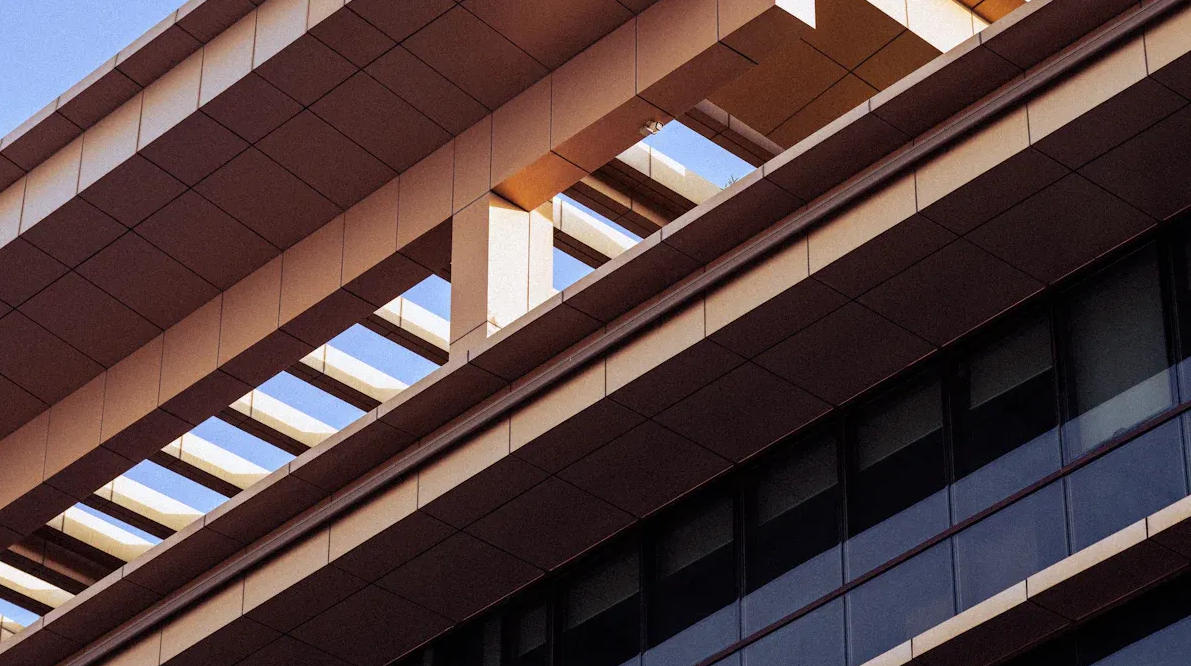
Возможно, вам нравится внешний вид и текстура дерева в ваших проектах. Дерево привносит тепло и классический стиль, который ценят многие. Дерево легко поддается обработке и хорошо подходит для индивидуальных проектов. Если вы хотите получить натуральную отделку, дерево предоставляет множество вариантов. Многие строители выбирают дерево из-за его более низкой первоначальной стоимости, особенно в жилищном строительстве. Дерево можно найти практически везде, что делает его удобным выбором для небольших проектов.
У древесины есть некоторые недостатки, которые следует учитывать перед принятием решения. Деревянные рамы могут впитывать влагу, что приводит к деформации, гниению и нашествию вредителей. Во влажной среде эти проблемы усугубляются. Необходимо регулярно обрабатывать или герметизировать древесину, чтобы предотвратить ее быстрое разрушение. Покраска, тонирование и герметизация — важные шаги для защиты древесины от солнца и дождя. Если пренебрегать уходом, древесина может быстро потерять свою прочность и внешний вид.
Деревянные каркасы, несмотря на свою прочность, подвержены таким проблемам, как деформация, гниение и повреждения насекомыми, если за ними не ухаживать должным образом. Регулярное техническое обслуживание необходимо для поддержания древесины в хорошем состоянии. Со временем затраты на содержание накапливаются, особенно в коммерческих зданиях, где долговечность имеет значение.
При сравнении деревянных и алюминиевых профилей можно заметить явные различия. Алюминий изначально стоит дороже, но со временем затраты на его обслуживание сокращаются. Дерево изначально дешевле, но ремонт и содержание обходятся дороже. Взгляните на эту таблицу:
|
Материал |
Первоначальные затраты |
Затраты на техническое обслуживание |
Долговечность |
Возможность повторного использования |
|---|---|---|---|---|
|
Древесина |
Ниже |
Со временем становится выше |
Менее долговечный |
Нет |
|
Алюминий |
Выше |
С течением времени снижение |
Более долговечный |
Да |
Устойчивое развитие тоже имеет значение. Алюминий с текстурой древесины полностью пригоден для вторичной переработки, в то время как натуральная древесина имеет ограниченную возможность переработки. Процесс закупки алюминия может быть более прозрачным, особенно при использовании переработанных материалов. Традиционная добыча древесины может привести к вырубке лесов и нарушению среды обитания.
Алюминий с текстурой древесины полностью пригоден для вторичной переработки, в то время как натуральная древесина имеет ограниченные возможности переработки.
Процесс закупки алюминия может быть более прозрачным, особенно при использовании переработанных материалов.
Традиционные методы добычи древесины могут приводить к обезлесиванию и нарушению среды обитания.
Если вам нужен материал, который прослужит дольше, потребует меньше обслуживания и будет способствовать экологичному строительству, алюминиевые профили — разумный выбор. Вы получаете долговечность, стиль и экологичность в одном изделии.
Вы можете подумать, что пластик подходит только для легких работ, но на самом деле он обладает рядом существенных преимуществ. Пластик легко формуется в различные формы, что обеспечивает гибкость для создания креативных дизайнов. Вы можете выбрать из широкого спектра цветов и вариантов отделки. Пластик хорошо поглощает удары, что делает его отличным материалом для применений, где важна ударопрочность. Если вам нужен материал, который не ржавеет и не подвергается коррозии, пластик идеально подойдет. Кроме того, вы экономите деньги на начальном этапе, поскольку производство пластика обычно обходится дешевле, чем производство алюминия.
Благодаря своей эластичности пластик лучше поглощает удары, чем металлы.
Вы получаете более низкие первоначальные производственные затраты.
Пластик легче многих других строительных материалов.
У пластика есть свои ограничения, особенно если сравнивать его с алюминием. Вы заметите, что пластик не может сравниться по прочности и долговечности с алюминиевыми профилями. Прочность на растяжение распространенных пластиков, таких как ПВХ или полиэтилен, составляет от 20 до 60 МПа, в то время как у алюминиевых сплавов этот показатель колеблется от 70 до 700 МПа. Это означает, что алюминий лучше выдерживает большие нагрузки и повторяющиеся напряжения. Пластик может деформироваться или треснуть, если на него воздействовать слишком большой вес. Со временем воздействие солнечного света и погодных условий может сделать пластик хрупким.
Давайте посмотрим, как пластик и алюминий проявляют себя в промышленном применении:
|
Фактор |
Пластик |
Алюминий |
|---|---|---|
|
Первоначальные производственные затраты |
Ниже |
Выше |
|
Долговечность |
Середина |
Высокий |
|
Эффективность переработки |
Умеренный |
Отличный |
Переработка пластика также сопряжена с проблемами. Большинство видов пластика имеют низкий уровень переработки, что приводит к образованию отходов и загрязнению окружающей среды. Алюминий, напротив, демонстрирует отличную эффективность переработки и более высокие показатели утилизации.
При выборе между пластиком и алюминием необходимо учитывать потребности вашего проекта. Если вам нужен материал, который легко поддается формовке и имеет более низкую первоначальную стоимость, пластик может вам подойти. Если же вам необходимы прочность, долговечность и лучшие возможности переработки, алюминиевые профили — более разумный выбор. Алюминий лучше выдерживает циклические нагрузки и сильное сжатие, что делает его идеальным для конструкционного применения. Кроме того, вы получаете более экологичный вариант, поскольку алюминий имеет более высокие показатели переработки.
Совет: Учитывайте количество энергии, затрачиваемой на производство. Для производства одного килограмма алюминия требуется больше электроэнергии, чем для пластика, но при этом обеспечивается более длительный срок службы и лучшая возможность вторичной переработки.
Вам следует взвесить все «за» и «против» обоих материалов. Ваш окончательный выбор зависит от баланса между стоимостью, производительностью и воздействием на окружающую среду.
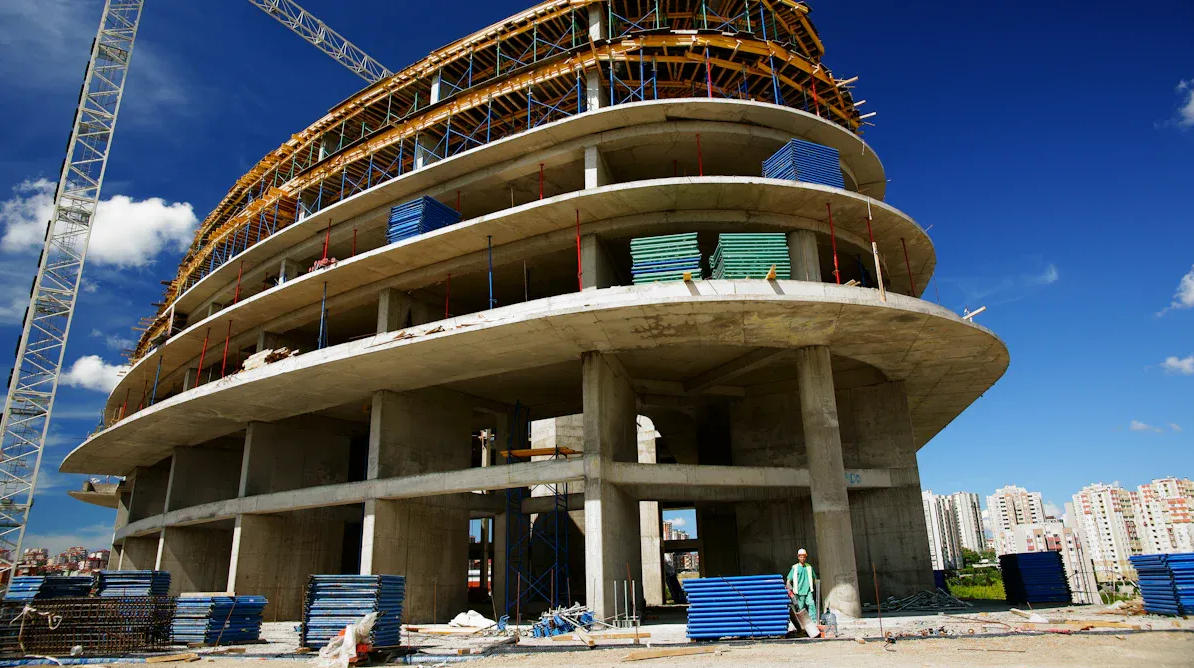
При планировании проекта стоимость часто является определяющим фактором при принятии решений. Вам нужно знать, во сколько обойдется каждый материал в долгосрочной перспективе. Взгляните на это сравнение:
|
Материал |
Средняя стоимость (за погонный метр) |
Обслуживание |
Продолжительность жизни |
|---|---|---|---|
|
Древесина (обработанная) |
3–6 долларов |
Регулярная герметизация, подвержен гниению |
10–15 лет |
|
Алюминий |
6–12 долларов |
Низкие затраты на обслуживание |
30–50+ лет |
Алюминий обходится дороже на начальном этапе, но экономит на ремонте и замене. Длительный срок службы и низкие затраты на техническое обслуживание делают его разумной инвестицией, если вас волнует долгосрочная экологичность. Вы избегаете частого обслуживания, а значит, и проблем в будущем.
Долговечность имеет значение, если вы хотите, чтобы ваш проект прослужил долго. Вам нужен материал, который выдержит ежедневный износ. Вот как сравниваются распространенные варианты:
|
Материал |
Долговечность |
Продолжительность жизни |
Потребности в техническом обслуживании |
|---|---|---|---|
|
Древесина |
Низкий |
Короткий |
Высокий (частая замена) |
|
Сталь |
Очень высокий |
Сотни применений |
Низкий уровень коррозии (требует антикоррозийного обслуживания) |
|
Алюминий |
Высокий |
Длинный |
Низкий (но риск кражи) |
Алюминий обеспечивает надежную долговечность и минимальное техническое обслуживание. Вам не придется беспокоиться о ржавчине или гниении. Если вам нужен материал, который сохранит свою прочность и внешний вид, алюминиевые профили — это то, что вам нужно.
Возможно, вас интересует, как ваш выбор влияет на окружающую среду. Для многих строителей сегодня устойчивое развитие имеет огромное значение. Взгляните на эту таблицу:
|
Материал |
Потребность в энергии для производства |
Возможность вторичной переработки |
Воздействие на окружающую среду |
|---|---|---|---|
|
Алюминий |
5% энергии, вырабатываемой при новом производстве |
Практически бесконечный |
Снижение выбросов углекислого газа, малый вес уменьшает выбросы от транспорта. |
|
Сталь |
Выше, чем алюминий |
Менее энергоэффективный |
Более высокое воздействие на окружающую среду в процессе производства и переработки. |
|
Пластик |
Высокое энергопотребление и выбросы |
Сложно перерабатывать |
Основной источник выбросов парниковых газов |
|
Древесина |
Возобновляемый ресурс, но может привести к вырубке лесов. |
Н/Д |
Потенциальная потеря среды обитания |
Алюминий выделяется своей экологичностью. Он обеспечивает практически неограниченную возможность вторичной переработки и снижает выбросы углекислого газа. Выбор алюминиевых профилей помогает поддерживать долгосрочную устойчивость и защищать окружающую среду.
Вы хотите, чтобы ваш проект выглядел великолепно и работал безупречно. Гибкость дизайна позволяет создавать уникальные формы и отделку. Вот как выглядят различные материалы:
|
Материал |
Гибкость дизайна |
Сила |
Масса |
Параметры настройки |
|---|---|---|---|---|
|
Алюминий |
Высокий |
Умеренный |
Свет |
Сложные формы, разнообразные варианты отделки. |
|
Сталь |
Умеренный |
Высокий |
Тяжелый |
Ограниченное количество форм, меньше вариантов отделки. |
|
Древесина |
Умеренный |
Низкий |
Свет |
Ограниченный выбор форм, натуральная отделка. |
|
Пластик |
Низкий |
Низкий |
Свет |
Простые формы, ограниченный выбор отделки. |
Алюминиевые профили обеспечивают быструю индивидуальную настройку. Вы можете выбрать из множества вариантов отделки и форм. Такие поставщики, как... Гуан Я Алюминиевая промышленность Лтд. Мы предлагаем различные варианты обработки поверхности, выбор сплавов и услуги по изготовлению. Вы получаете быструю индивидуализацию и гибкость для любого проекта. Индивидуальный подход помогает подобрать материал в соответствии с потребностями и стилем вашего проекта.
Совет: Сотрудничество с поставщиком, предлагающим качественную поддержку и возможности индивидуальной настройки, сделает ваш проект более плавным и успешным.
Вы уже видели, как алюминиевые профили соотносятся со стальными, деревянными и пластиковыми. Для краткого обзора ознакомьтесь с этой таблицей:
|
Ключевое преимущество |
Алюминиевые профили |
Пластиковая опалубка |
|---|---|---|
|
Долговечность |
Высокая прочность |
Склонен к растрескиванию |
|
Гибкость приложения |
Изготовлено на заказ |
Ограниченное количество вариантов планировки |
|
Масштабируемость |
Легко масштабируется |
Ограниченная возможность повторного использования |
Если вам нужны долговечные материалы, обеспечивающие гибкость дизайна и масштабируемость, алюминиевые профили — разумный выбор. Вот что вам следует сделать дальше:
Определите потребности вашего проекта и выберите подходящий сплав.
Выберите форму профиля и отделку, которые соответствуют вашему стилю.
Сравните цены и запросите образцы.
Поговорите с экспертами и изучите поставщиков, чтобы выбрать качественный товар и обеспечить индивидуальную настройку.
При консультации с поставщиками, поинтересуйтесь проверкой сырья, контролем качества на всех этапах производства и заключительными аудитами. Эти шаги помогут вам выбрать лучший алюминий для вашего проекта. Вы сделаете более правильный выбор, если будете подбирать материалы в соответствии с вашими требованиями и сотрудничать с профессионалами.
Алюминиевые профили обеспечивают легкость, прочность, простоту монтажа и гибкость дизайна. Вы можете выбрать из множества вариантов отделки и форм. Кроме того, вы получаете долговечность и низкие затраты на техническое обслуживание.
Да! Алюминиевые профили почти на 100% подлежат переработке. Выбирая алюминий, вы помогаете окружающей среде. Переработка алюминия требует меньше энергии, чем производство нового материала.
Алюминиевые профили обладают лучшей коррозионной стойкостью, чем стальные. Они требуют меньше времени на обслуживание. Алюминий хорошо подходит для окон, дверей и навесных стен в условиях наружного применения.
Алюминиевые профили можно использовать в самых разных конструкциях. Они обладают высоким соотношением прочности к весу. Их можно встретить в каркасах зданий, строительных лесах и промышленном оборудовании.


 Поддерживается сеть IPv6